
14 products
Filter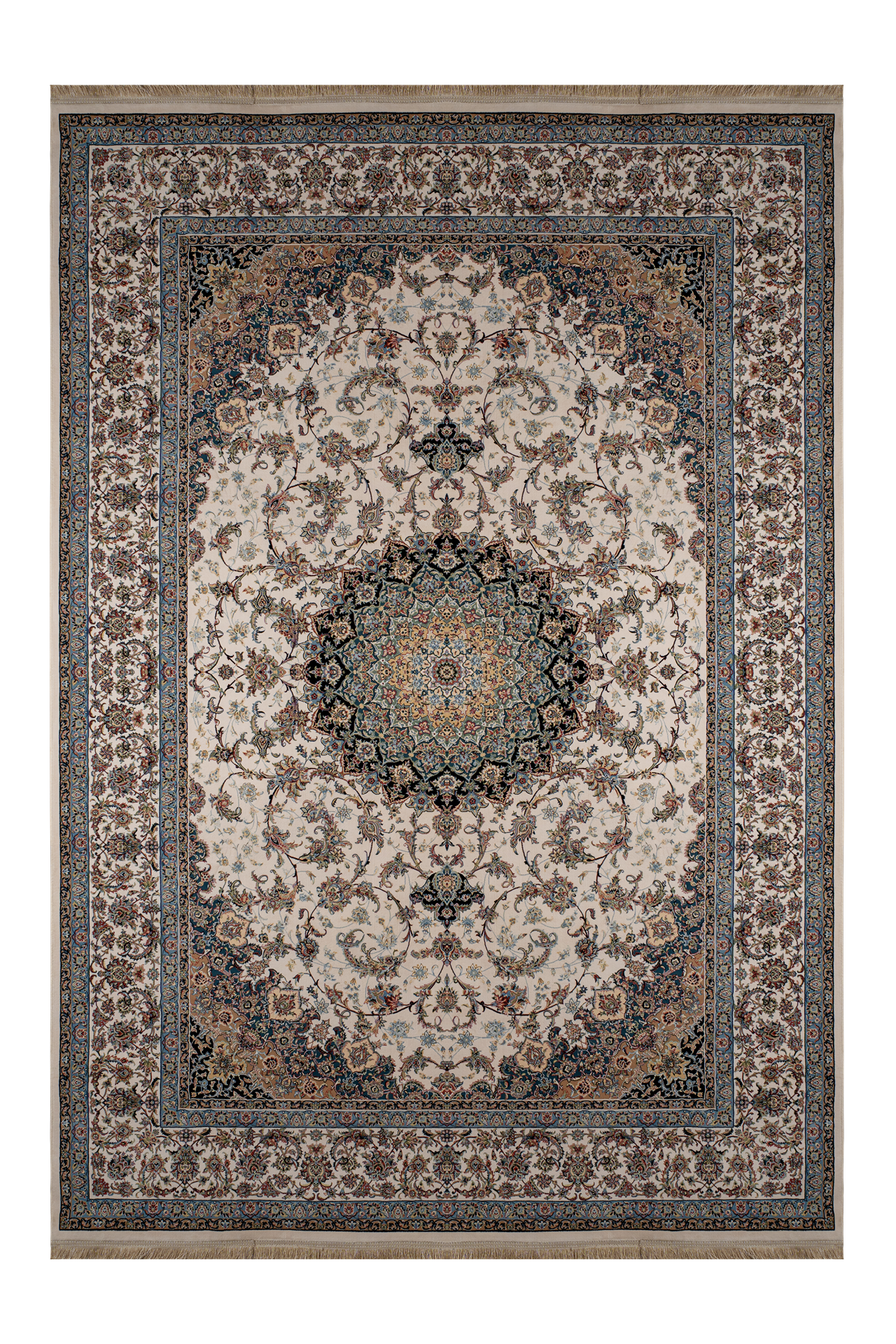
Karkheh Elegant Persian Rug
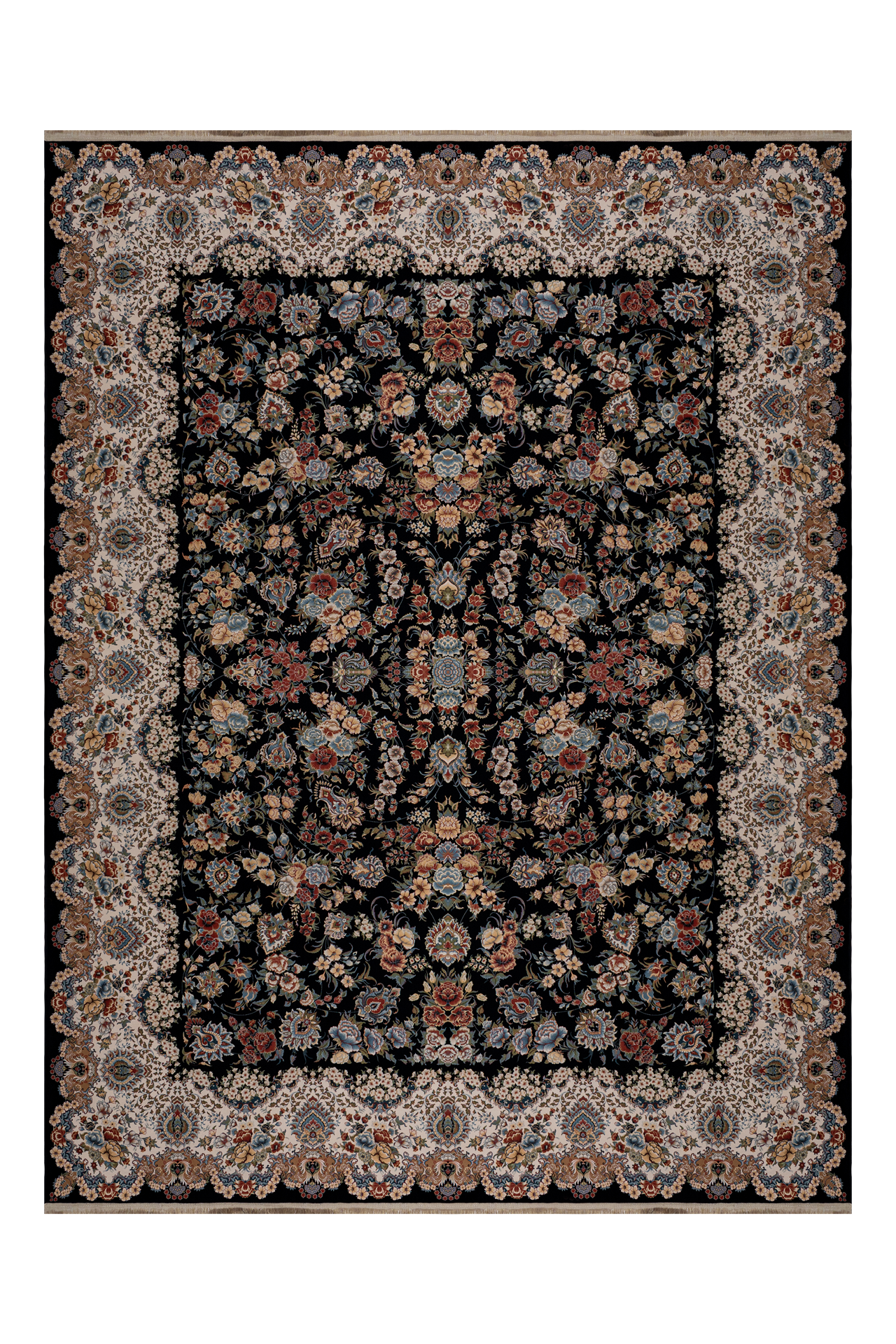
Leher Bispoke Elegant Persian Rug
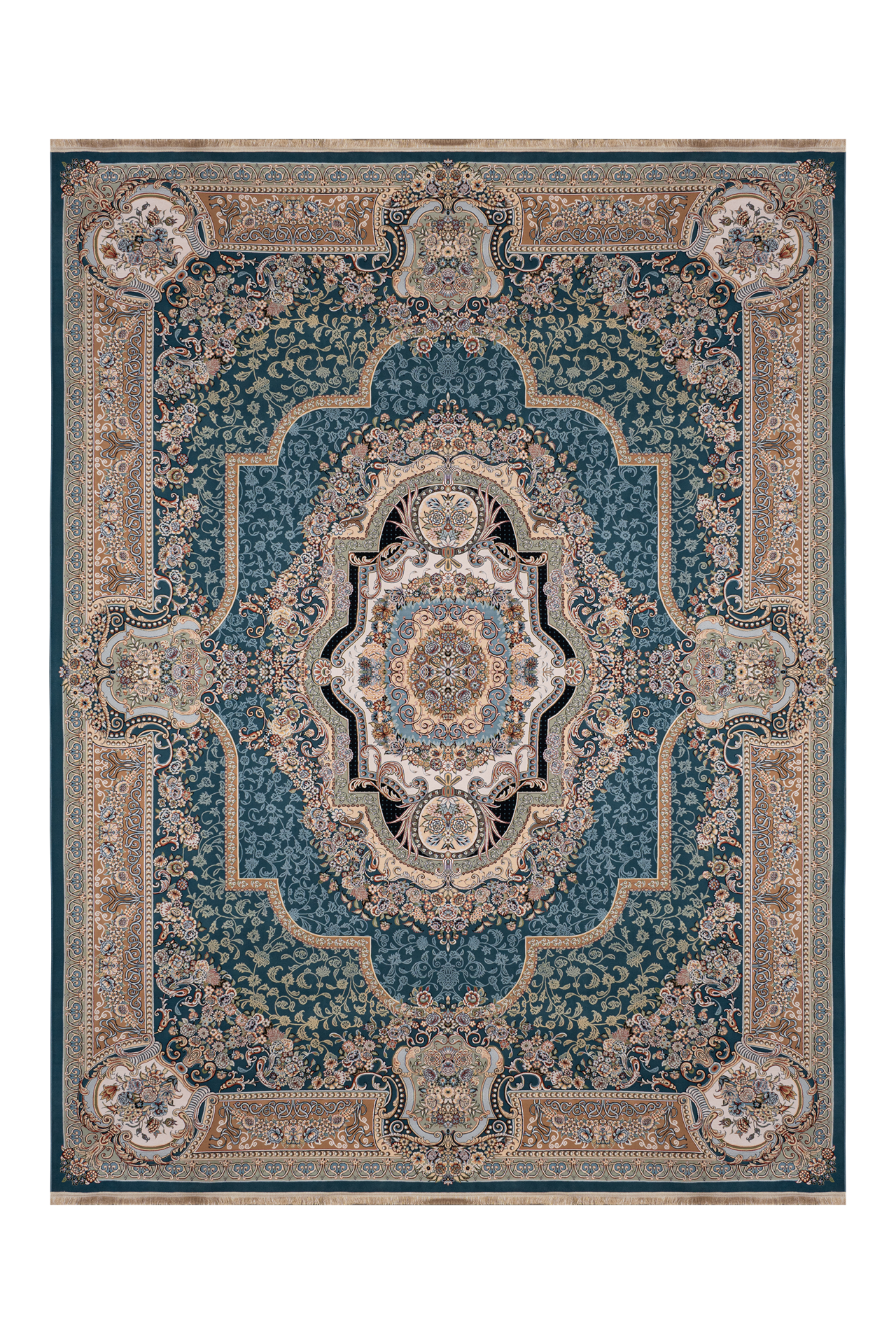
Maranjab Bespoke Persian Rug
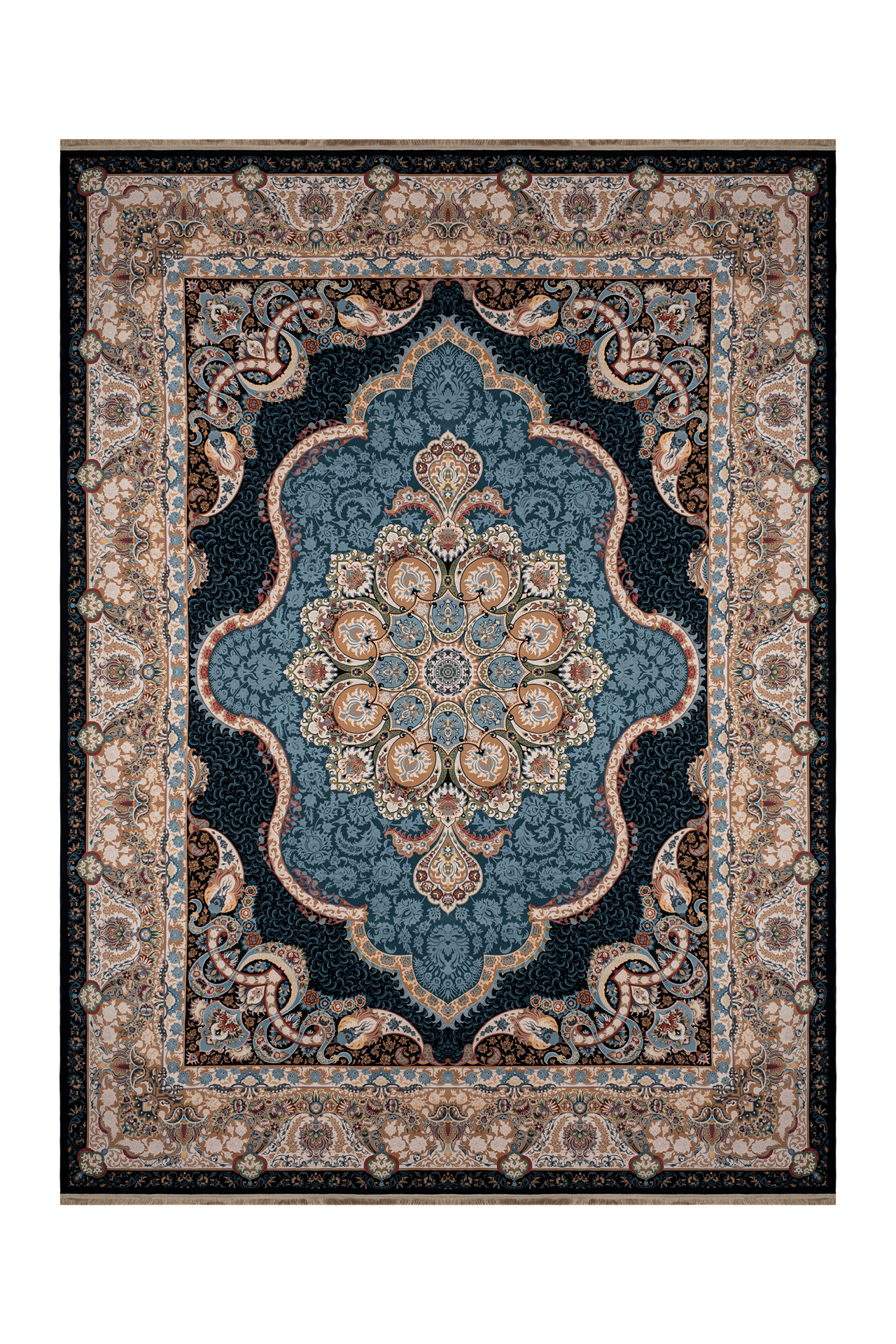
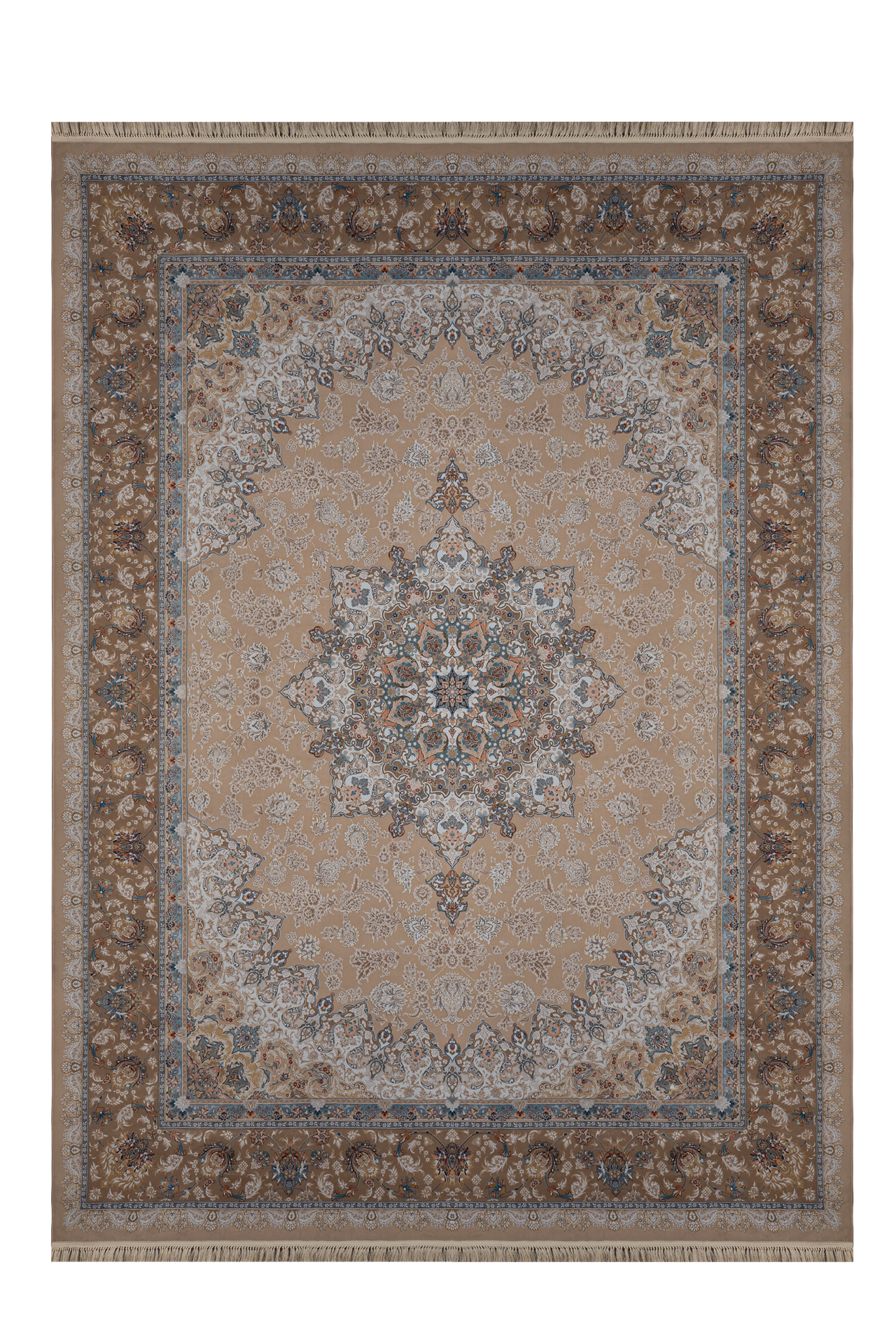
Sefidrud Elegant Iraninan Persian Rug
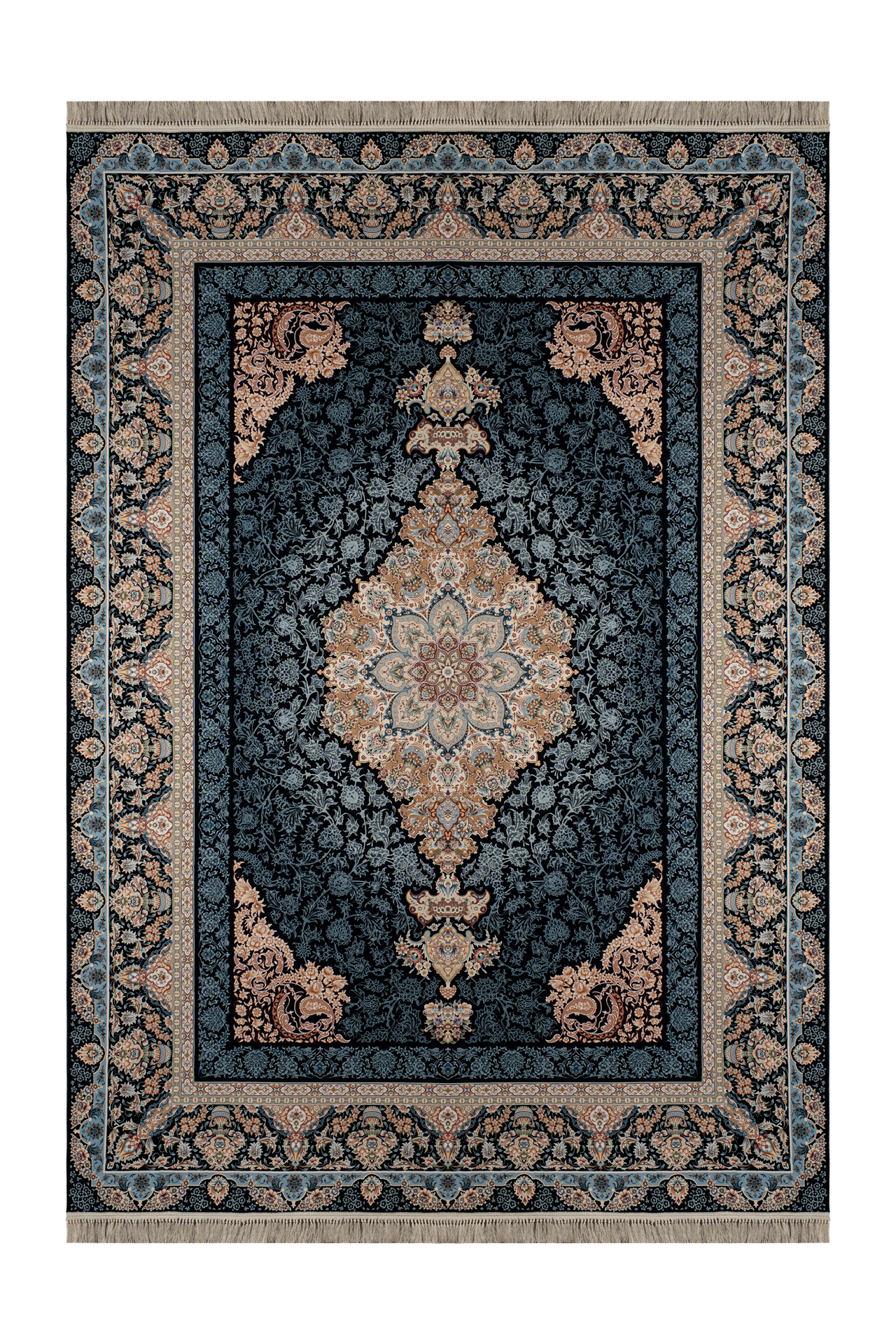
Helmand Elegant Persian Rug
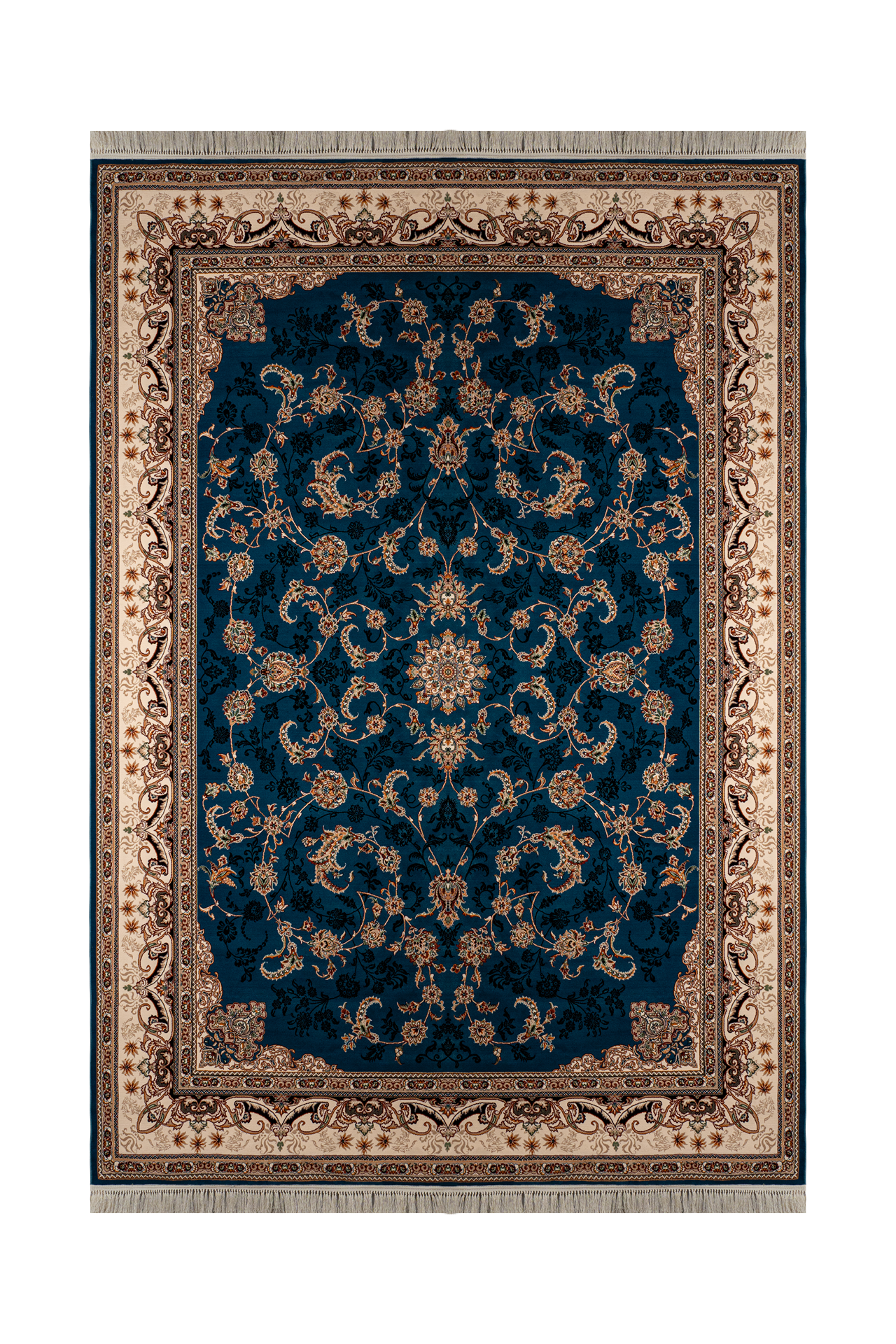
Atrek Elegant Persian Rug
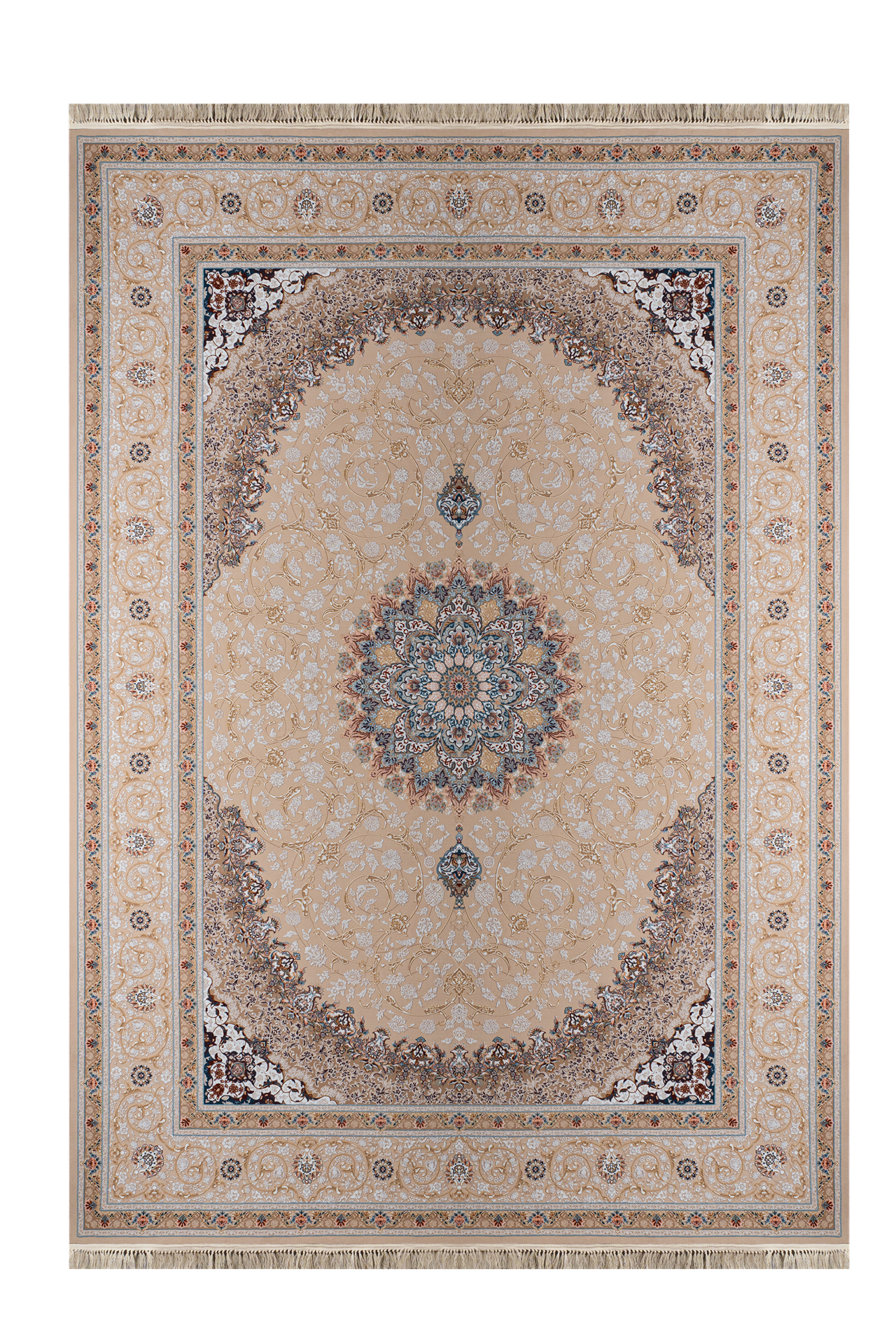
Reth Elegant Persian Rug
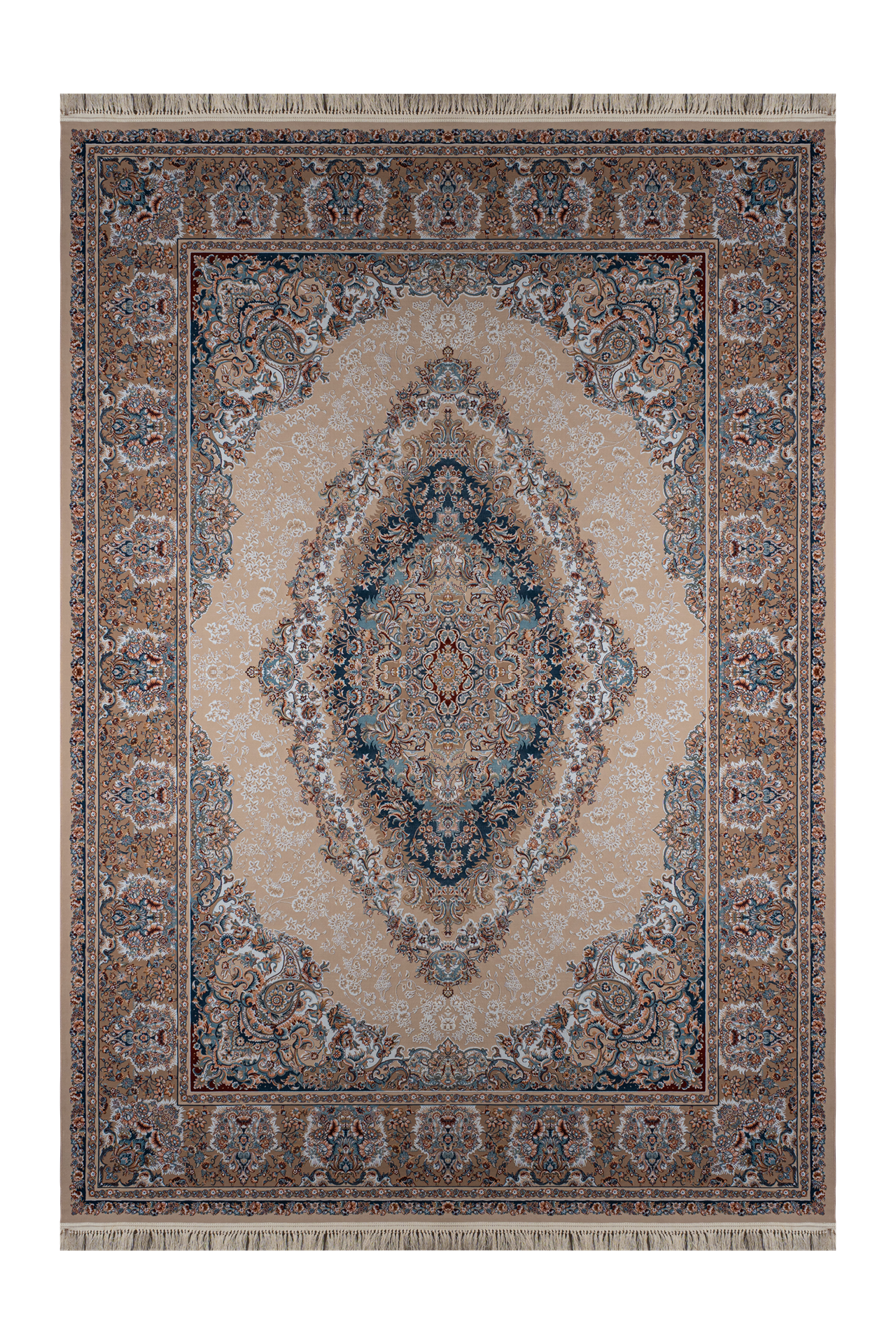
Bahaar Elegant Persian Rug
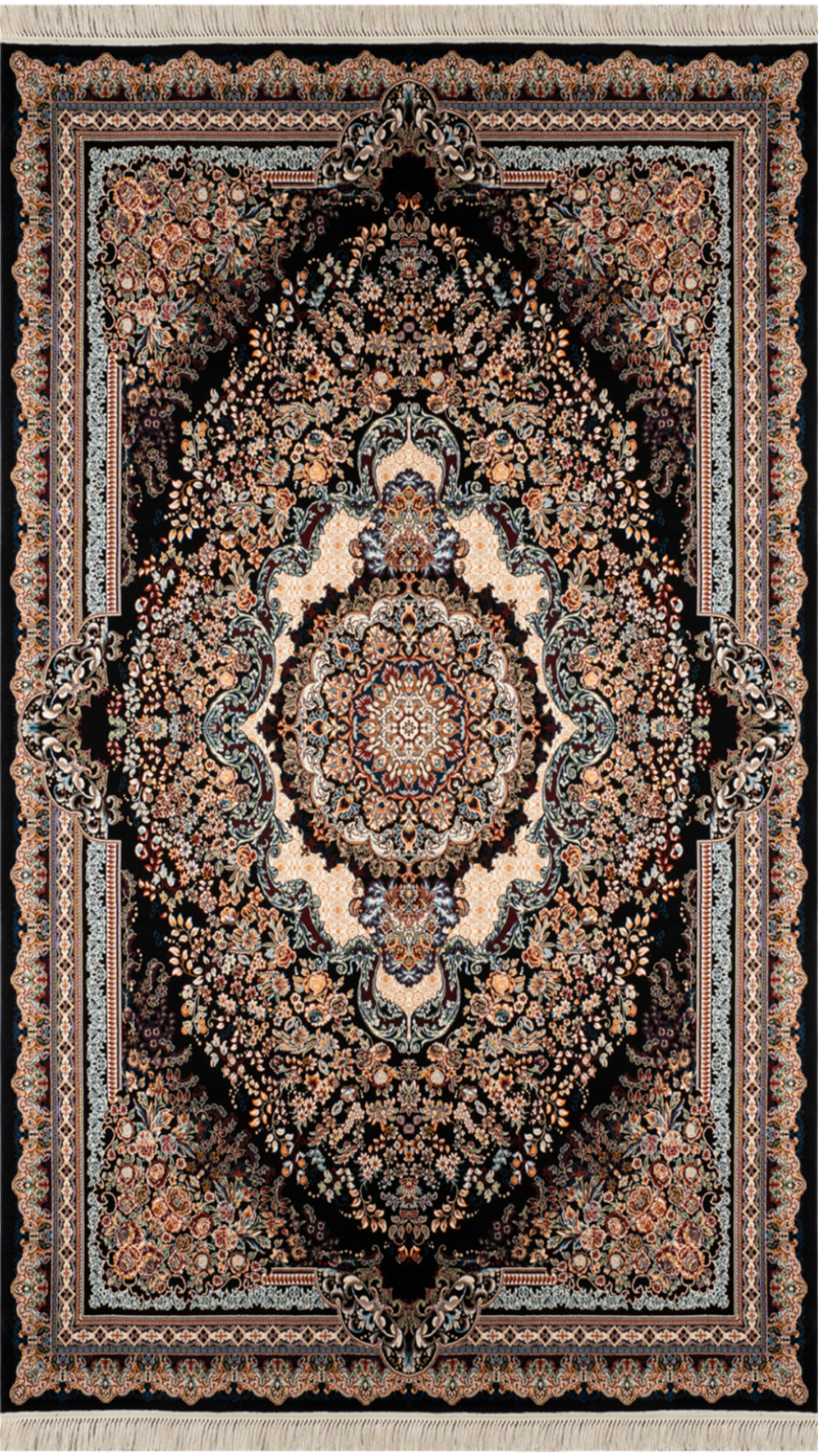
Shyam Elegant Persian Rug
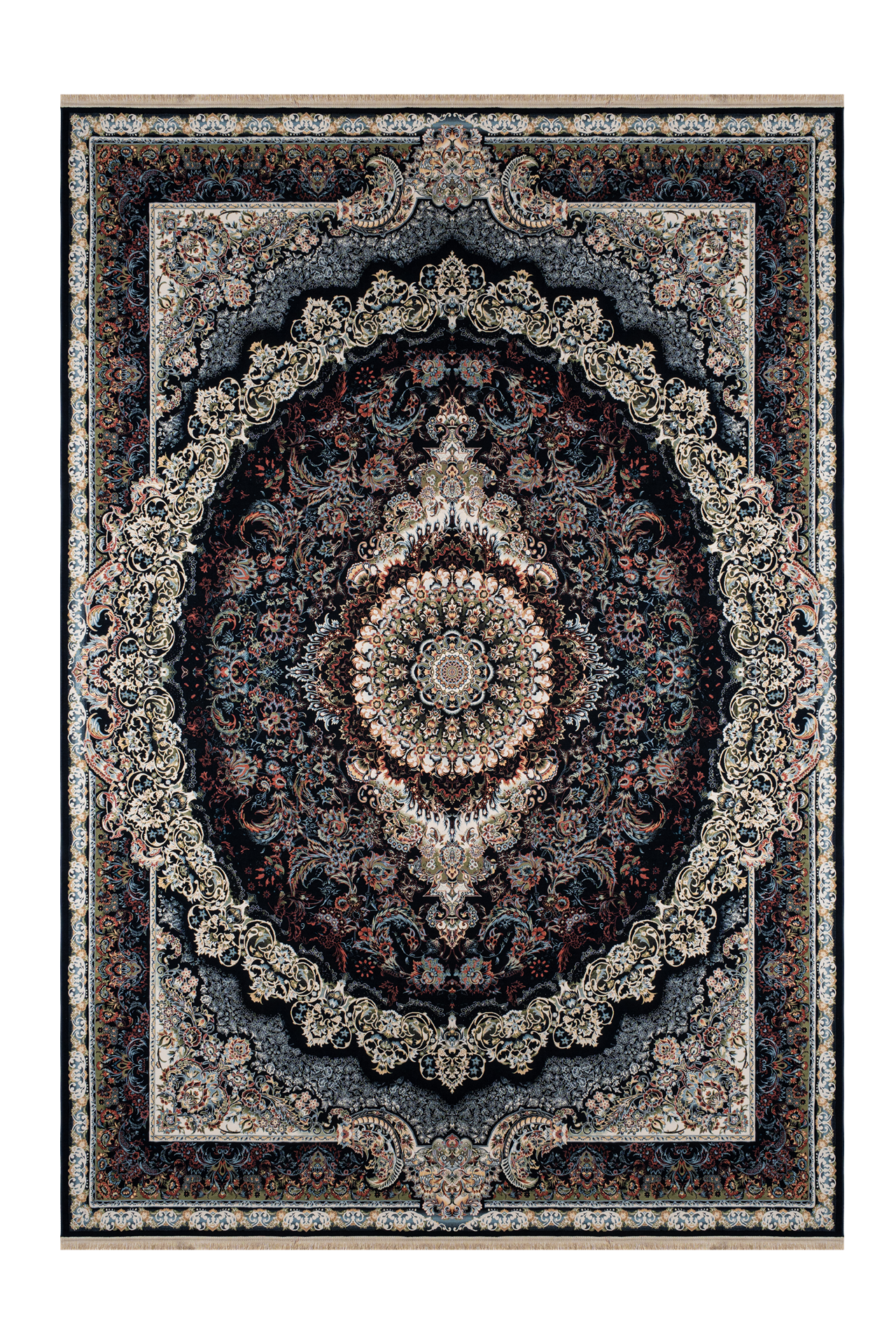
Samandar Elegant Persian Rug
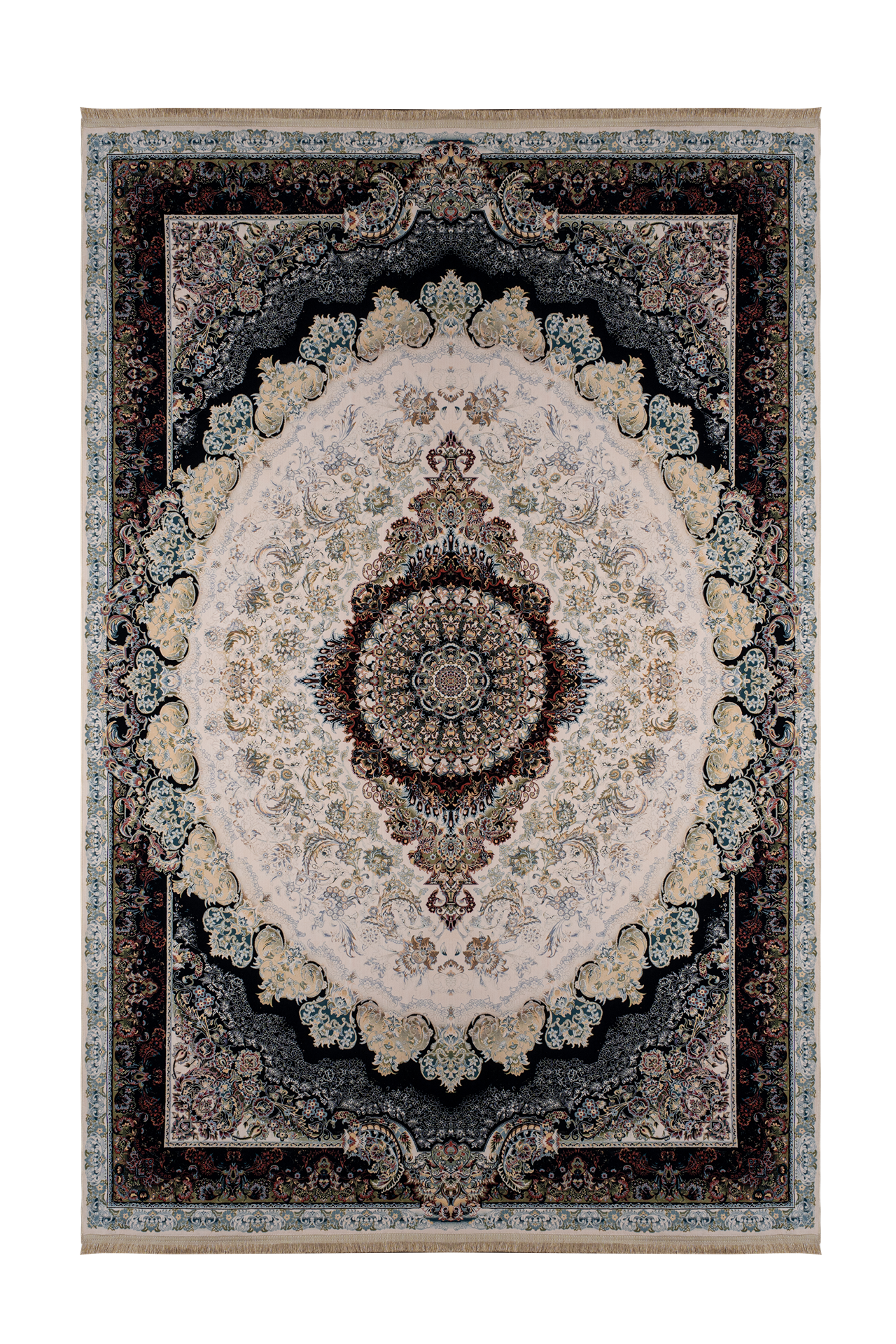
Firoza Elegant Persian Rug
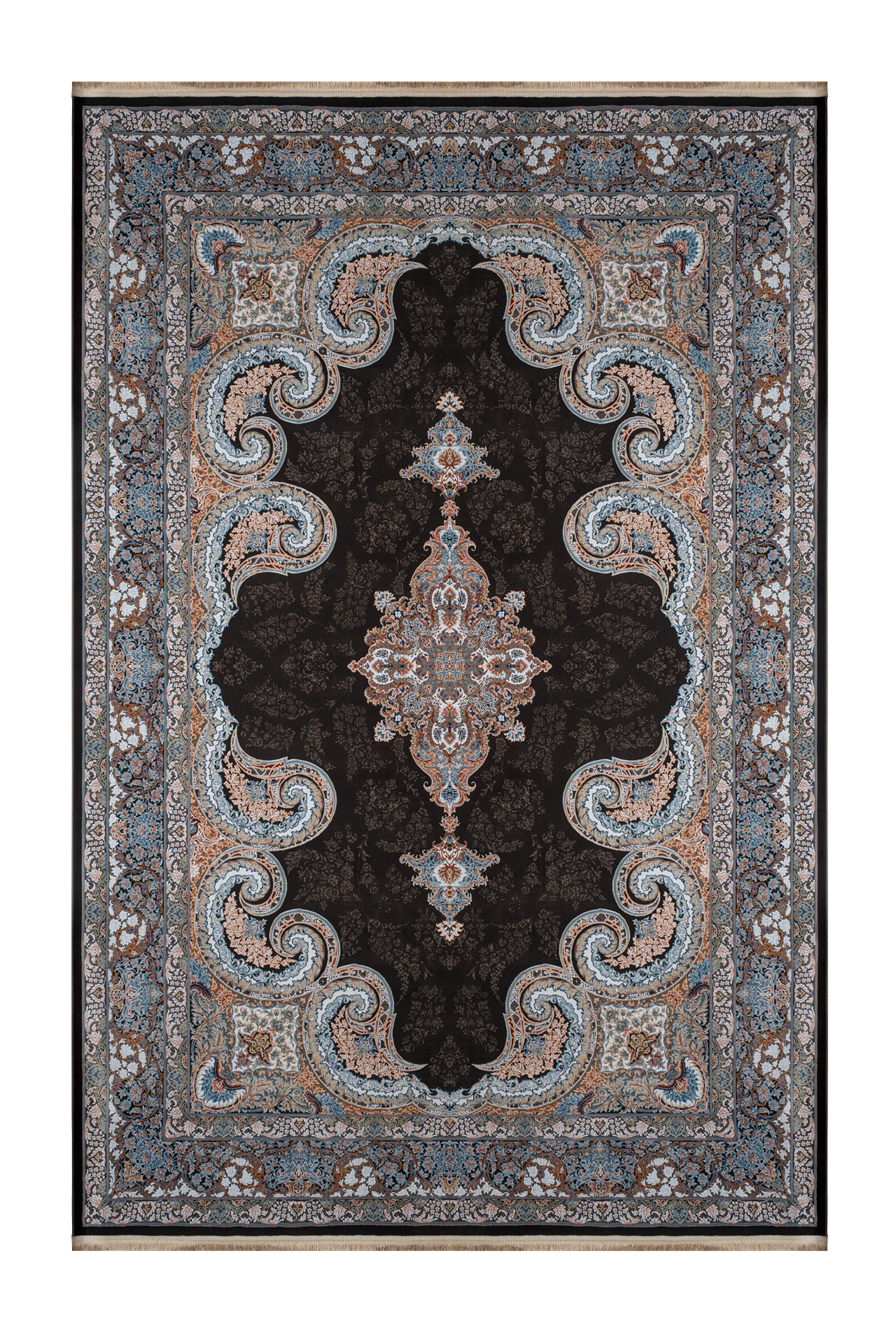
Kuh Persian Rug
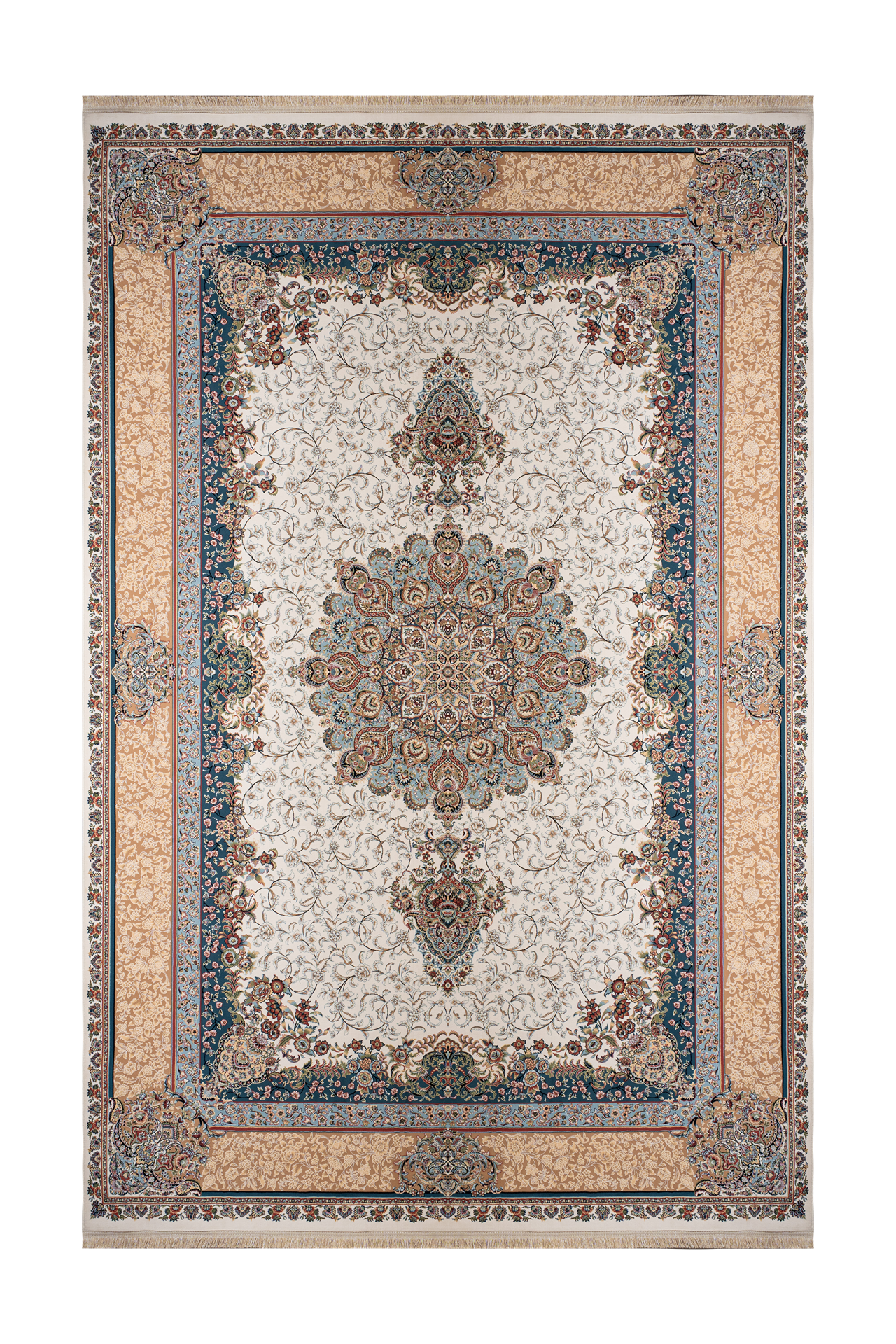
Sadaf Elegant Persian Rug
Understanding Persian (Iranian) Rugs
"Persian" and "Iranian" describe the same thing: rugs hand-knotted in Iran, the country once known as Persia. The label is not marketing shorthand for a look or a pattern; it refers to genuine origin and to a centuries-old craft of tying individual knots onto a foundation of warp and weft threads. A true Persian rug is built one knot at a time, which is why a single piece can take months or years to weave and why no two are ever identical. At our Masab Tank showroom in Hyderabad we treat each Persian rug as the individual object it is, rather than as a unit pulled from a uniform run.
The Persian (asymmetric) knot
Persian rugs are traditionally tied with the asymmetric knot, often called the Persian or Senneh knot, where the yarn wraps around one warp and passes loosely behind the neighbouring one. Turkish and many Anatolian rugs instead use the symmetric (Ghiordes) knot, which wraps both warps. Both are legitimate hand-knotting methods used by master weavers, and the knot type is simply part of a rug's identity and regional tradition. It is the construction and the knot, not the pattern drawn on the surface, that tell you whether a rug is genuinely hand-knotted.
Regional design traditions
Iran's weaving towns each developed a recognisable character over generations. We describe them in broad strokes because every workshop and weaver varies:
- Tabriz — a historic centre in the north-west, known for a wide range from medallion and Herati patterns to pictorial and garden designs, frequently in wool with cotton or silk foundations.
- Kashan — classical floral medallions, palmettes and the Shah Abbas vocabulary in deep, saturated reds, blues and ivories.
- Isfahan — refined curvilinear floral and arabesque work in soft blues, ivory and rose, often on a silk foundation that lets the drawing stay crisp.
- Nain — elegant, restrained palettes of ivory and blue, commonly woven in wool with silk highlights that catch the light.
- Qum (Ghom) — a younger but celebrated tradition, especially prized for luminous all-silk rugs with intricate, jewel-like detail.
- Heriz — bolder, more geometric medallion designs in warm earth tones, woven in sturdy, hard-wearing wool.
These are starting points for conversation, not rigid rules. We are happy to walk Hyderabad clients and designers through the differences in person, rug in hand.
Wool versus silk
Most Persian rugs are woven in wool, and good wool is wonderfully practical: warm underfoot, naturally resilient, forgiving of foot traffic and well suited to living rooms and family spaces. Silk is a different proposition. It takes very fine detail and has a luminous sheen that shifts as you move around the room, but it is more delicate, shows pressure marks and is best reserved for lower-traffic settings, bedrooms, studies, formal sitting rooms or as a wall piece. Wool-and-silk blends sit in between, using silk to pick out highlights against a hard-wearing wool ground. For a home in Hyderabad we will always talk through where a rug is going to live before recommending a fibre.
How to judge quality and authenticity
The most honest test is to turn the rug over. On a genuine hand-knotted Persian rug the back is soft and flexible, the individual knots are visible, and the pattern reads clearly through to the reverse, mirroring the front. There is no separate cloth or latex backing glued on, because none is needed. Hand-tufted and machine-made rugs, by contrast, have their pile punched or woven through a foundation and held with adhesive, then finished with a separate backing. Knot density (KPSI) — counted by tallying knots across one inch vertically and horizontally on the back — is one useful measure, with coarser weaves around 70 to 80, medium near 100 and fine pieces above 200, though these bands are only a rough description rather than a quality grade. It is only one factor, and a rug with half the knot count can easily be the finer, more valuable piece. Wool quality, the dyes, the drawing of the design, age and condition all matter just as much.
Care, longevity and an honest word on value
Because a hand-knotted Persian rug has no adhesive to fail, it is genuinely an heirloom object, commonly lasting 50 to 100 years or more with sensible care, while glued hand-tufted rugs tend to last only around five to fifteen years as their backing degrades, especially in humidity. Rotate your rug periodically to even out wear and sun exposure, use a pad underneath, vacuum gently without a hard beater bar, blot spills promptly and have it professionally washed every few years. One honest note: most rugs do not appreciate in value. Only exceptional antique pieces reliably hold or grow worth, so buy a Persian rug for its beauty and its lifespan, not as an investment. Come and see our Persian collection at the ELLORA CARPETS showroom in Masab Tank, Hyderabad, or ask us about a custom hand-knotted piece woven to your size, palette and design — with pan-India and worldwide delivery.
See it in our Hyderabad showroom
Visit Ellora Carpets at Masab Tank, or commission a custom hand-knotted piece in your size, palette and design.
Commission a custom rug Visit the showroomFrequently asked questions
Are Persian and Iranian rugs the same thing?
Yes. Persia is the historical name for Iran, so a Persian rug and an Iranian rug are the same product: a rug hand-knotted within Iran. The term refers to genuine origin and craft tradition, not to a particular pattern or look.
How can I tell a genuine hand-knotted Persian rug from a tufted or machine-made one?
Turn it over. A genuine hand-knotted rug has a soft, flexible back with the individual knots visible and the pattern showing through clearly, mirroring the front, with no separate glued-on backing. Hand-tufted and machine-made rugs have the pile fixed with adhesive and a separate cloth or latex backing. Construction and knot type, not the design, decide authenticity.
What is the Persian knot, and how is it different from the Turkish knot?
Persian rugs traditionally use the asymmetric (Persian or Senneh) knot, which wraps around one warp thread and passes loosely behind the next. Turkish and many Anatolian rugs use the symmetric (Ghiordes) knot, which wraps both warps. Both are legitimate hand-knotting methods; the knot is part of a rug's regional identity.
Should I choose wool or silk?
Wool is the practical choice for most homes: warm, resilient and well suited to daily foot traffic. Silk takes finer detail and has a beautiful sheen, but it is more delicate and best kept to low-traffic rooms or used as a wall piece. Wool-and-silk blends use silk for highlights on a durable wool ground. We are happy to advise based on where the rug will sit in your Hyderabad home.
What does KPSI (knot density) actually tell me about a rug?
KPSI is the number of knots per square inch, counted on the back across one inch vertically and one inch horizontally. As a rough guide, under about 70 to 80 is coarse, around 100 is medium and 200 or more is fine. It is one useful measure, but only one: a rug with half the knot count can still be finer and more valuable. Wool quality, dyes, design, age and condition matter just as much.
Is a higher knot count always better?
No. A higher knot density does not automatically mean a better, more durable or more valuable rug. Value and quality depend on the whole picture: the wool, the dyes, the artistry of the design, and the rug's age and condition. We would never price a rug on knot count alone.
How long will a Persian rug last?
Because a hand-knotted Persian rug uses no adhesive that can fail, it is a genuine heirloom and commonly lasts 50 to 100 years or more with sensible care. By contrast, glued hand-tufted rugs typically last only around five to fifteen years, as their backing degrades over time, especially in humid climates.
What is the difference between Tabriz, Kashan, Isfahan, Nain, Qum and Heriz rugs?
These are weaving traditions from different towns in Iran. Broadly: Tabriz spans medallion to pictorial designs; Kashan favours classical floral medallions in rich colours; Isfahan is refined curvilinear floral work, often on silk foundations; Nain uses elegant ivory-and-blue palettes with silk highlights; Qum is celebrated for luminous all-silk pieces; and Heriz is bolder and more geometric in hard-wearing wool. Every workshop varies, so these are guides rather than fixed rules.
Do Persian rugs increase in value over time?
Honestly, most rugs do not appreciate. Only exceptional antique pieces reliably hold or grow in value. We encourage you to buy a Persian rug for its beauty and its long lifespan rather than as a financial investment. A well-chosen, well-cared-for rug rewards you every day it is in your home.
How do I care for a Persian rug, especially in Hyderabad's climate?
Rotate it periodically to even out wear and sun exposure, use a pad underneath, vacuum gently without a hard beater bar, and blot spills promptly rather than rubbing. Have it professionally washed every few years. Wool handles humidity well; silk and silk-blend pieces prefer drier, lower-traffic rooms. We are glad to advise on care for your specific rug.
Can I order a custom or bespoke Persian-style rug in a specific size and colour?
Yes. ELLORA CARPETS offers custom, hand-knotted rugs made to your chosen size, palette and design. This is ideal when you need a particular dimension for a room or want colours that work with your interior. Lead times depend on size and fineness; speak with us at the showroom and we will plan it with you.
Can I see the rugs in person, and do you deliver outside Hyderabad?
You are very welcome to visit our showroom at Masab Tank (Vijaynagar Colony), Hyderabad, where you can see and feel the rugs in natural light. We have served clients and interior designers here since 1965, and we deliver across India and worldwide. We also offer expert fitting and free measure for wall-to-wall installations.