
6 products
Filter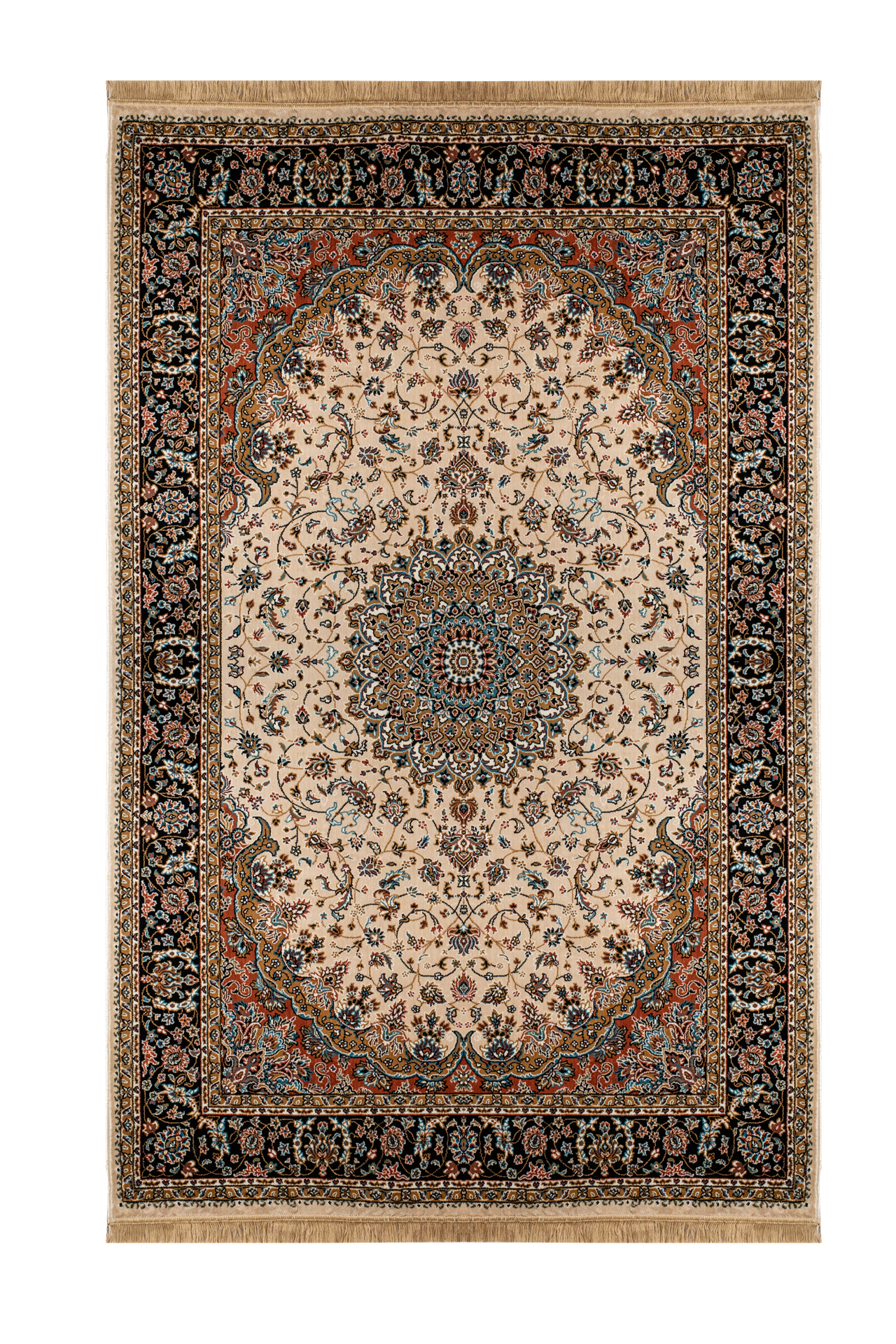
Apharwat Luxurious Kashmiri Rug
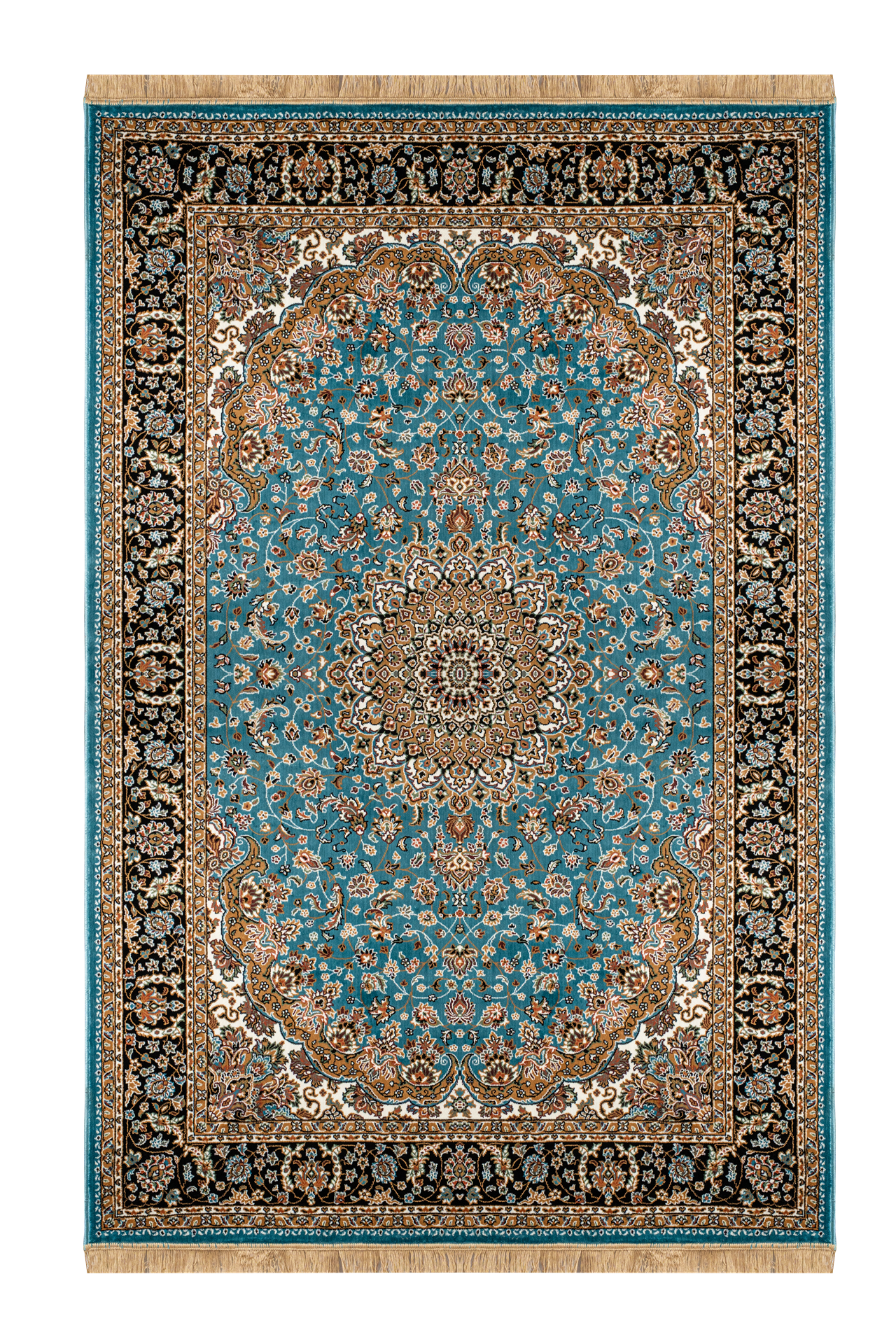
Jhelum Luxurious Kashmiri Rug
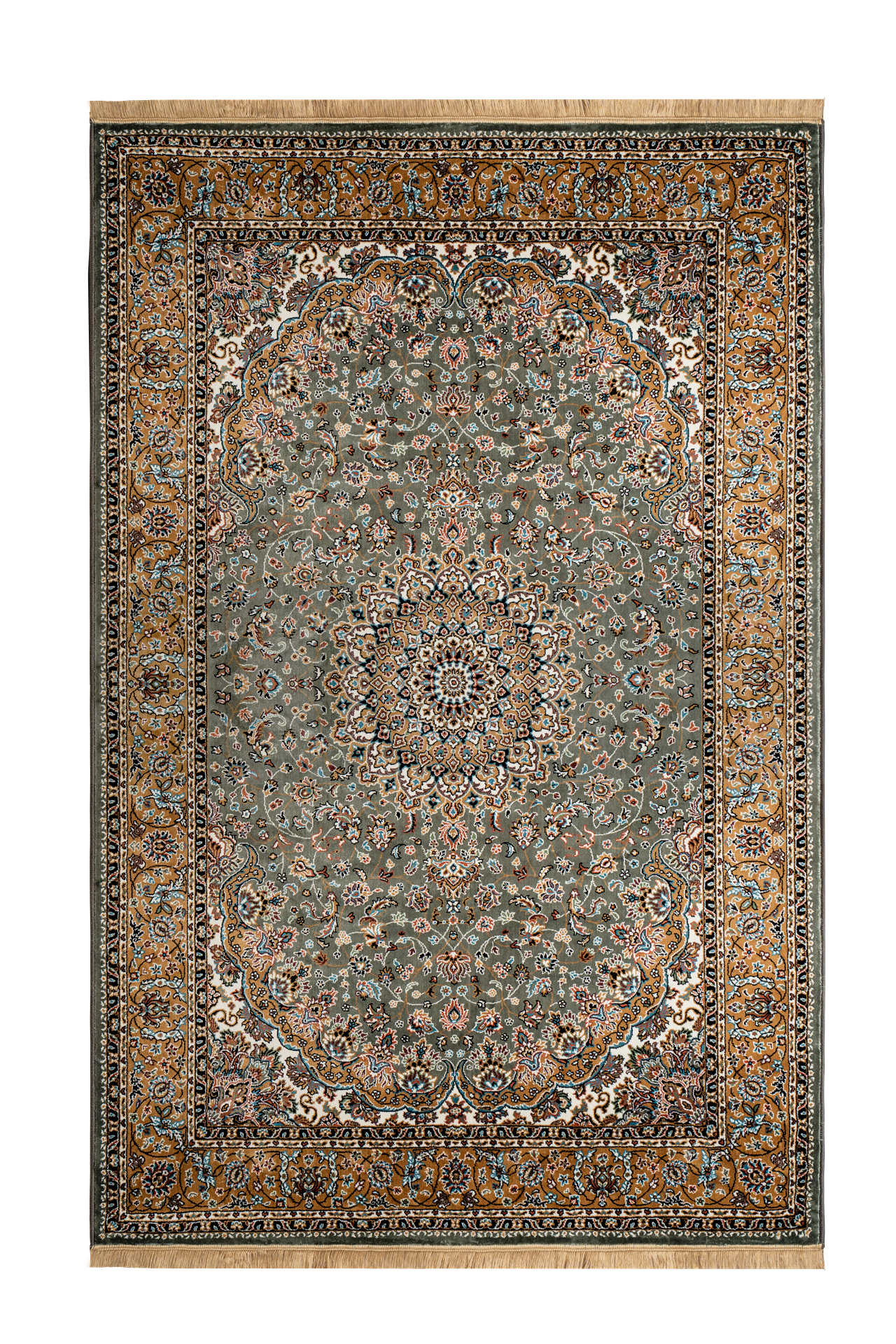
Gham Luxurious Kashmiri Rug
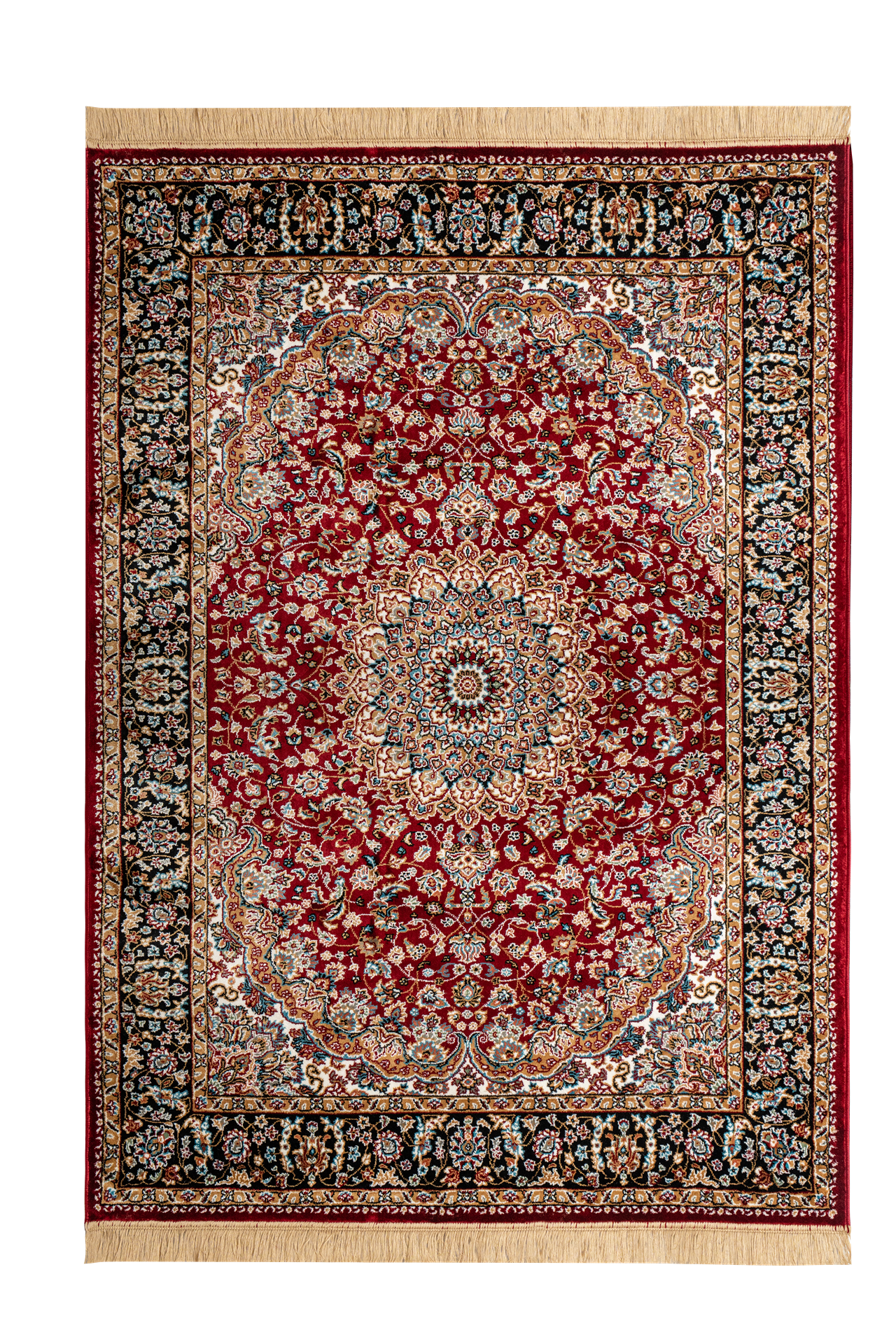
Gulzar Luxurious Kashmiri Rug
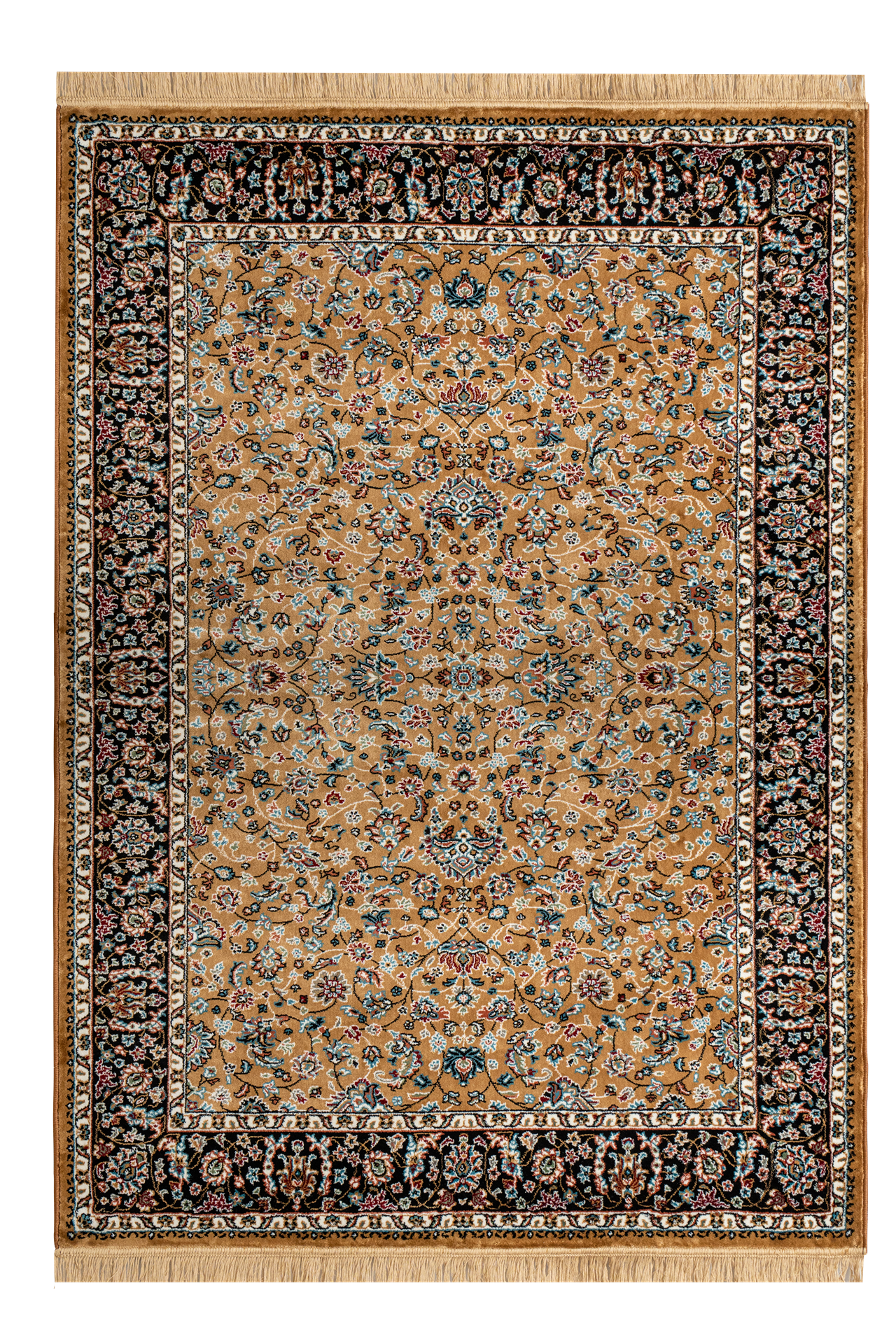
Kans Luxurious Kashmiri Rug
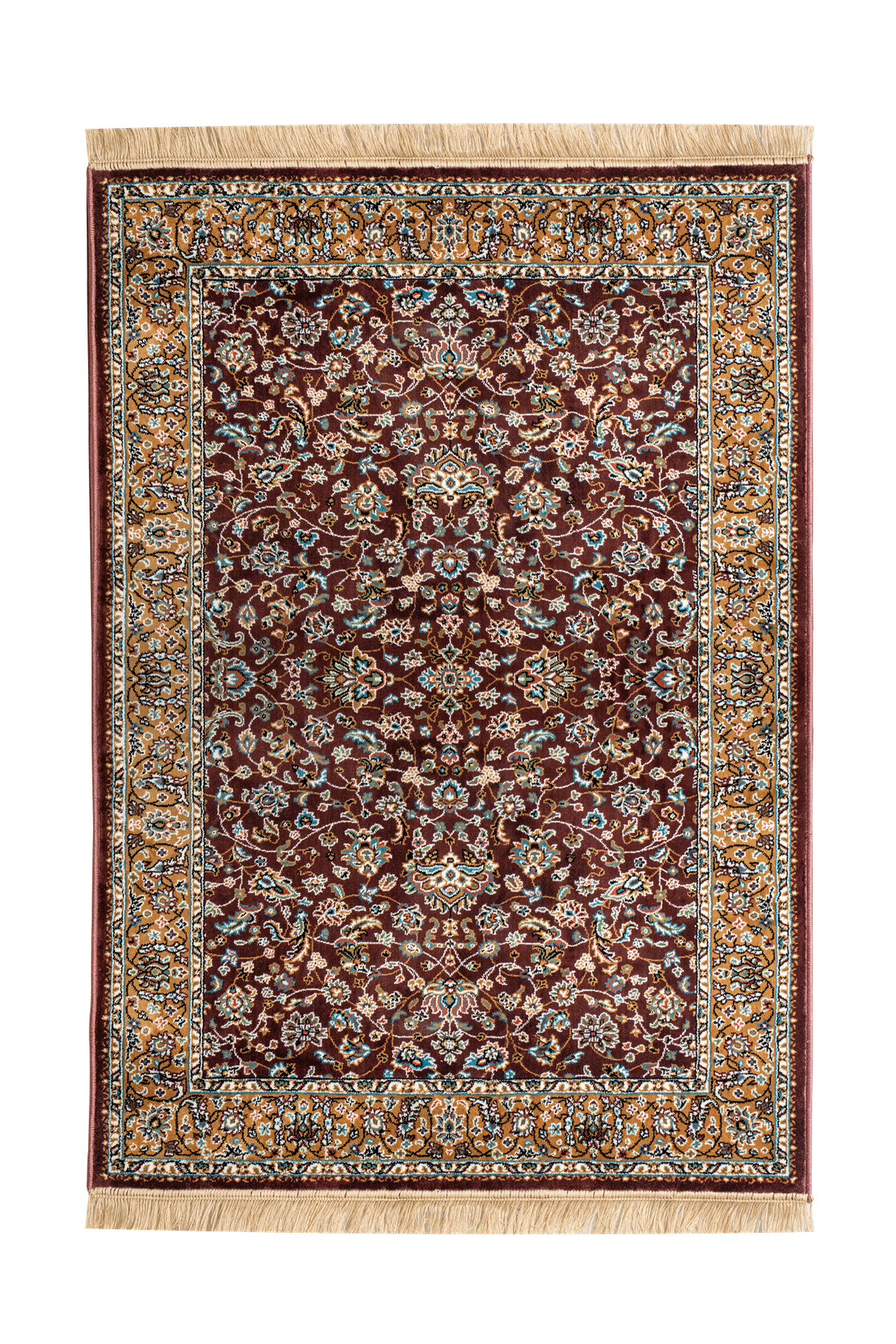
Saanjh Luxurious Kashmiri Rug
What Makes a Kashmiri Rug Distinctive
Kashmiri rugs are hand-knotted in and around Srinagar, in a Persian-influenced tradition carried into the Kashmir Valley centuries ago and refined into a style all its own. Two things set them apart: fine, dense knotting and a design language drawn from the Valley itself. You will see the paisley or buta (a teardrop curl), the chinar (oriental plane) leaf, the tree-of-life, and dense floral and garden patterns. They are made in pure silk, in fine wool, and in wool-and-silk blends where silk is often used to highlight outlines and motifs so the pattern catches the light as you move around the rug.
Because the knotting is so fine, Kashmiri rugs read as jewellery for the floor: jewel-tone grounds (sapphire blue, ruby, emerald, ivory) and gentle pastels, with intricate borders and a central medallion in many classic layouts. The exact composition and knot count vary piece to piece, so we describe each rug honestly on its own terms rather than quoting a single figure for the whole category.
How to Judge Quality and Authenticity
The most reliable test for any hand-knotted rug is the back. Turn it over: you should see the knots individually, the pattern mirrored clearly from the front, and a surface that stays soft and flexible. A genuine hand-knotted Kashmiri rug has no separate glued or stitched-on cloth backing and no latex layer. Hand-tufted and machine-made rugs, by contrast, have pile punched or woven through a foundation that is held with glue and finished with a separate fabric or latex backing. Construction and knot type, not the design on the front, are what determine authenticity.
Knot density (KPSI) is counted on the back: knots across one inch horizontally multiplied by knots across one inch vertically. As a rough guide, under about 70 to 80 is coarse, around 100 is medium, and 200 and above is fine, and Kashmiri rugs sit at the finer end of that range. But treat KPSI as only one measure of value. A rug with half the knot density can still be the finer, more valuable piece. Wool quality, the dyes, the drawing of the design, age and condition all matter as much as the count. Be wary of anyone who reduces a rug to a single number.
One India-specific marker worth knowing: genuine Kashmiri hand-knotted carpets may carry a GI (Geographical Indication) tag identifying their origin in the Kashmir region. It is a helpful signal of origin, though the back-and-knot test remains the foundation. Reputable dealers should be happy to explain a rug's origin and composition; at our showroom we walk you through it in person.
Silk or Wool, and Where to Use It
Silk Kashmiri rugs have the highest sheen and the finest detail, and they shift colour beautifully with the light. Silk is also more delicate: it loses strength when wet and does not bounce back the way wool does, so silk pieces are happiest in low-traffic rooms, a bedroom, a study, a formal sitting area, or displayed on a wall as art. Fine wool and wool-silk blends are more forgiving underfoot and a sensible choice for living and dining spaces. In humid coastal-influenced weather, the absence of any latex backing is a real advantage: there is no adhesive layer to break down, which is one reason well-kept hand-knotted rugs commonly last 50 to 100 years and beyond, while hand-tufted rugs typically last only 5 to 15 years.
Care
Vacuum gently with suction only, no beater bar or rotating brush, and never pull at the fringe. Rotate the rug periodically so light and footfall wear it evenly. Blot spills immediately and avoid soaking, especially with silk. Keep silk pieces out of long, direct sun. Have fine and silk rugs professionally cleaned every few years rather than wet-washing them at home.
An Honest Word on Value
Buy a Kashmiri rug for its beauty and its longevity, not as an investment. Most rugs do not appreciate; only exceptional antique pieces reliably hold or grow in value. What you can count on is a hand-knotted rug that, cared for, will outlast almost everything else in the room.
See It, or Commission It, in Hyderabad
Come to our Masab Tank (Vijaynagar Colony) showroom to handle these rugs, compare silk against wool in your own light, and read the knots with us. We also weave bespoke Kashmiri rugs to your size, palette and motif, ideal for designers and architects matching a specific scheme, with pan-India and worldwide delivery.
See it in our Hyderabad showroom
Visit Ellora Carpets at Masab Tank, or commission a custom hand-knotted piece in your size, palette and design.
Commission a custom rug Visit the showroomFrequently asked questions
What exactly is a Kashmiri rug?
It is a hand-knotted rug woven in the Kashmir region, centred on Srinagar, in a Persian-influenced tradition. It is known for fine knotting and flowing designs like paisley (buta), the chinar leaf and the tree-of-life, made in pure silk, fine wool, or wool-and-silk blends.
How can I tell if a Kashmiri rug is genuinely hand-knotted?
Look at the back. A hand-knotted rug shows individual knots, mirrors the front pattern clearly, and stays soft and flexible with no separate glued or stitched-on cloth backing. Hand-tufted and machine-made rugs have a foundation held with glue and a separate fabric or latex backing. The construction, not the design on the front, is what proves authenticity.
Is silk or wool better for a Kashmiri rug?
Neither is simply better; they suit different uses. Silk gives the highest sheen and finest detail but is more delicate and best in low-traffic rooms or on a wall. Fine wool and wool-silk blends are more hard-wearing and suit living and dining areas. We will help you choose based on the room and the look you want.
What is KPSI and does a higher number mean a better rug?
KPSI is knots per square inch, counted on the back. Roughly, under about 70 to 80 is coarse, around 100 is medium, and 200 and above is fine. But it is only one measure. A rug with lower KPSI can be the finer, more valuable piece. Wool quality, dyes, design, age and condition all matter as much, so we never judge a rug by the count alone.
What is the GI tag on Kashmiri carpets?
It is a Geographical Indication marker that identifies a carpet's origin in the Kashmir region. It is a useful signal of origin, though the back-and-knot test remains the most reliable check of authenticity.
How long will a Kashmiri rug last?
Because a hand-knotted rug has no adhesive to fail, a well-kept piece commonly lasts 50 to 100 years or more and is genuinely heirloom quality. By comparison, hand-tufted rugs typically last only 5 to 15 years as their latex backing degrades, which happens faster in humid conditions.
Can I put a silk Kashmiri rug in my living room or under a dining table?
You can, but we usually advise against it for pure silk. Silk is delicate and loses strength when wet, so high-traffic and spill-prone areas are not ideal. For those rooms we recommend fine wool or a wool-silk blend, and we keep pure silk for bedrooms, studies, formal spaces or wall display.
How do I clean and care for a Kashmiri rug?
Vacuum gently with suction only, no beater bar or rotating brush, and avoid pulling the fringe. Rotate the rug periodically so it wears evenly, blot spills at once, and do not soak it, especially silk. Keep silk out of strong direct sun and have fine or silk rugs professionally cleaned every few years rather than wet-washing at home.
Will a Kashmiri rug increase in value over time?
Be cautious of that promise. Most rugs do not appreciate; only exceptional antique pieces reliably hold or grow in value. We suggest buying for beauty and longevity. What you can rely on is a finely made rug that will last for decades with proper care.
Can you make a Kashmiri rug in a custom size, colour or design?
Yes. We offer bespoke hand-knotted rugs woven to your size, palette and motif, which is popular with interior designers and architects matching a specific scheme. Custom hand-knotting takes time, and we will give you a realistic timeline when you commission.
Do you deliver outside Hyderabad, and can I see the rugs in person?
We deliver across India and worldwide. You are also very welcome at our showroom in Masab Tank (Vijaynagar Colony), Hyderabad, where you can handle the rugs, compare silk against wool in your own light, and read the knots with us before deciding. Ellora Carpets has served Hyderabad since 1965.
Why do Kashmiri rugs cost more than many other rugs?
The fine, dense hand-knotting takes a great deal of skilled time, and silk and quality wool are costly materials. You are paying for hand work and longevity rather than a printed or glued product. We are always happy to explain exactly what is in a given rug and why it is priced as it is.
What do the paisley, chinar and tree-of-life motifs mean?
They are rooted in Kashmiri life and landscape. The paisley or buta is a curved teardrop long associated with life and fertility, the chinar is the oriental plane tree whose leaf is iconic in the Valley, and the tree-of-life represents growth and abundance. These motifs are part of what gives Kashmiri rugs their distinctive, garden-like character.